Optometrists: Your First Line Of Defense Against Cataracts
Cataracts can cloud your vision and affect your daily life as you age. Optometrists are vital in identifying the early signs of this condition. Routine checkups, like manhattan general eye exams, are key in catching cataracts before they progress. These exams help detect changes that may otherwise go unnoticed. By having optometrists as your first line of defense, you take a significant step in preserving your vision.
What Are Cataracts?
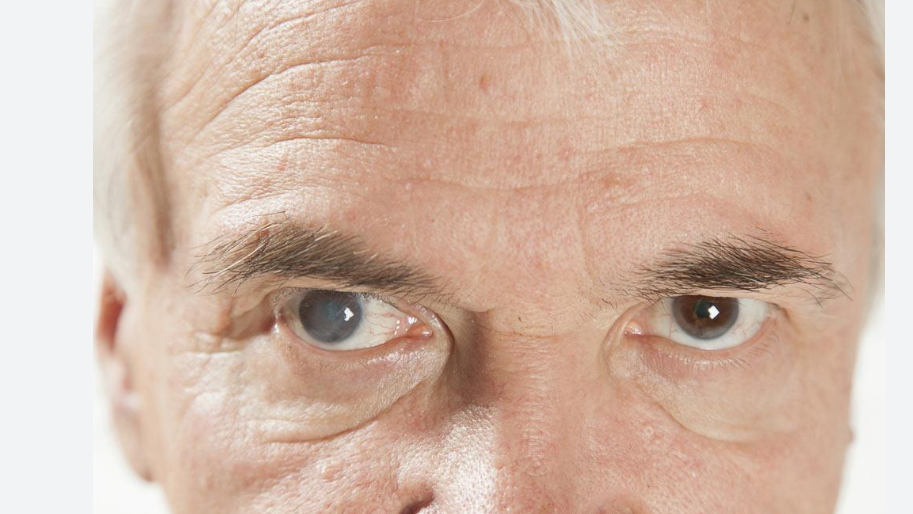
Cataracts occur when protein builds up in the lens of the eye, causing it to become cloudy. This cloudiness can lead to blurry vision and make it difficult to see at night. While cataracts are common, especially among older adults, they don’t have to mean the end of clear vision. Optometrists can catch these changes early, often before noticeable symptoms develop.
The Role of Optometrists
Optometrists are trained to detect and monitor cataracts. Through comprehensive eye exams, they assess the health of your eyes and the clarity of your vision. If they discover cataracts, they can discuss options and provide recommendations for treatment or lifestyle changes to slow their progression. This proactive approach can help maintain your quality of life.
Importance of Regular Eye Exams
Regular eye exams are crucial for detecting cataracts and other eye problems. These checkups are not just about updating your prescription for glasses or contact lenses. They allow optometrists to look for signs of cataracts and other conditions like glaucoma. According to the Centers for Disease Control and Prevention, early detection and treatment of eye conditions can reduce the risk of vision loss.
Signs of Cataracts
Some common signs of cataracts include:
- Blurred or cloudy vision
- Difficulty seeing at night
- Sensitivity to light and glare
- Seeing halos around lights
- Frequent changes in prescription glasses
If you experience any of these symptoms, scheduling an eye exam is a wise decision. Early intervention can make a significant difference.
Cataracts and Age
Cataracts are most commonly associated with aging. By age 80, more than half of Americans either have a cataract or have had cataract surgery. However, cataracts can also develop due to other factors such as diabetes, smoking, or prolonged exposure to sunlight. Understanding these risk factors can help you take preventive steps.
Comparing Optometrists and Ophthalmologists
While both optometrists and ophthalmologists can detect cataracts, their roles are different. Here’s a quick comparison:
| Optometrists | Ophthalmologists |
| Conduct eye exams | Perform eye surgeries, including cataract surgery |
| Prescribe glasses and contact lenses | Diagnose and treat eye diseases |
| Detect early signs of cataracts | Provide specialized medical and surgical care |
Prevention and Lifestyle Tips
While cataracts can’t always be prevented, certain lifestyle changes can reduce risk or slow progression:
- Wear sunglasses to block UV rays
- Quit smoking
- Maintain a healthy diet rich in fruits and vegetables
- Manage health problems like diabetes
Conclusion
Optometrists are essential allies in maintaining eye health and catching cataracts early. Regular eye exams, like those recommended by the National Eye Institute, provide a strong defense against vision loss. By partnering with your optometrist, you can take proactive steps to protect your vision and ensure a high quality of life as you age.