The Role Of Preventive Dentistry In Enhancing Overall Wellness
Your mouth tells a harsh truth about your body. Gum disease, tooth loss, and chronic mouth pain often signal deeper health problems. You may feel tired, stressed, or ashamed of your smile. You may also ignore small issues until they turn into emergencies. Preventive dentistry breaks that cycle. Regular cleanings, simple daily habits, and early checks help protect your heart, blood sugar, and immune system. They also lower your risk of infection and long-term pain. A trusted dentist in Narthbeth, PA can spot warning signs long before you feel them. That means fewer surprise bills, fewer sleepless nights, and more steady control over your health. This blog explains how basic mouth care supports your whole body. It also shows clear steps you can start today to protect your teeth, your mood, and your future health.
How Your Mouth Connects To Your Whole Body
Your mouth is not separate from the rest of you. It is a doorway. Germs in unhealthy gums and teeth move into your blood. Then they reach your heart, lungs, and other organs.
Research from the National Institute of Dental and Craniofacial Research links gum disease with heart disease and poor blood sugar control. When gums stay swollen and bleed, your body stays in a state of constant alarm. That stress makes many chronic conditions worse.
Three common links stand out.
- Heart and blood vessels. Gum infection raises inflammation that can affect the arteries.
- Diabetes. Poor mouth health makes blood sugar harder to control. Poor sugar control harms gums.
- Breathing. Mouth germs can move to the lungs and raise the risk of some infections.
When you protect your mouth, you protect these systems too. You cut down the load your body carries every day.
Why Preventive Dentistry Works Better Than Emergency Care
Emergency visits feel overwhelming. You face sudden pain, fast choices, and high costs. Preventive care works oppositely. It is steady, calm, and planned.
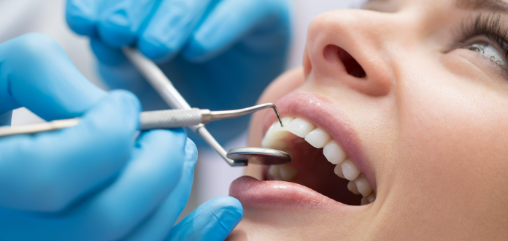
With regular checkups, your dental team can:
- Spot small cavities before they reach the nerve.
- Find early gum disease before teeth loosen.
- Notice signs of grinding, sleep problems, or dry mouth.
Routine care gives three clear gains. You face fewer crises. You spend less money over time. You feel more control over your health story.
Daily Habits That Protect Your Health
You guide most of your mouth health at home. Simple actions, done every day, change your future health.
Focus on three basics.
- Brush twice a day with fluoride toothpaste. Aim for two minutes each time.
- Clean between teeth once a day using floss or another tool.
- Limit sugary drinks and snacks. Drink water often.
The Centers for Disease Control and Prevention explains that fluoride and regular cleaning cut cavity risk in children and adults. These small steps cost little. They stop deep decay that needs crowns, root canals, or extractions.
Preventive Visits Across Every Stage Of Life
Your needs change as your body changes. Preventive dentistry adjusts at each stage. That way, care stays simple and focused.
| Life stage | Key mouth risks | Helpful preventive steps
|
|---|---|---|
| Young children | Early cavities. Thumb sucking. Fear of dentists. | First visit by age one. Fluoride. Sealants. Calm, short visits. |
| Teens | Sugary drinks. Sports injuries. Brace care problems. | Diet counseling. Mouthguards. Cleaning around braces. |
| Adults | Gum disease. Stress grinding. Tobacco use. | Regular cleanings. Night guards. Quit supporting tobacco. |
| Older adults | Dry mouth. Tooth loss. Trouble chewing. | Medication review. Moisture support. Denture checks. Soft diet plans. |
This steady pattern of care lowers pain, fear, and cost at every step. It also keeps you eating well. Good chewing supports strong muscles, stable weight, and clearer thinking.
The Emotional Weight Of Mouth Problems
Mouth pain not only affects your body. It strains your mood, work, and relationships. You may avoid smiling, talking, or eating with others. You may feel judged or alone.
Preventive dentistry offers three kinds of relief.
- Less pain. Clean, healthy gums bleed less and ache less.
- More confidence. You can smile and talk without worry.
- Better sleep. Treating grinding, infection, or tooth pain calms nights.
When you handle mouth health early, you protect your sense of dignity. You also show children in your life that care is normal, not something to fear.
Planning Your Next Steps
You do not need a perfect record to start. You may have skipped visits for years. You may feel nervous or ashamed. You still deserve safe care and clear respect.
Here are three actions you can take this week.
- Schedule a checkup and cleaning. Ask for extra time to talk about your concerns.
- Pick one daily habit to strengthen. For example, add flossing before bed.
- Review your medicines with your dentist. Many drugs cause dry mouth, which raises cavity risk.
Each small step lowers your risk of sudden infection, tooth loss, and costly treatment. Each step also supports your heart, blood sugar, and immune system.
Protecting Your Wellness Through Your Mouth
Preventive dentistry is not just about teeth. It is about steady control over your health, time, and money. You learn to act early instead of waiting for a crisis. You protect your body from constant low-grade infection. You guard your ability to eat, speak, and smile without fear.
Your choices today can calm years of future worry. Start with one visit, one habit, and one honest talk with your dental team. Your mouth will feel cleaner. Your body will feel lighter. Your life will feel more stable.