Why Digital Radiographs Are Safer And Smarter
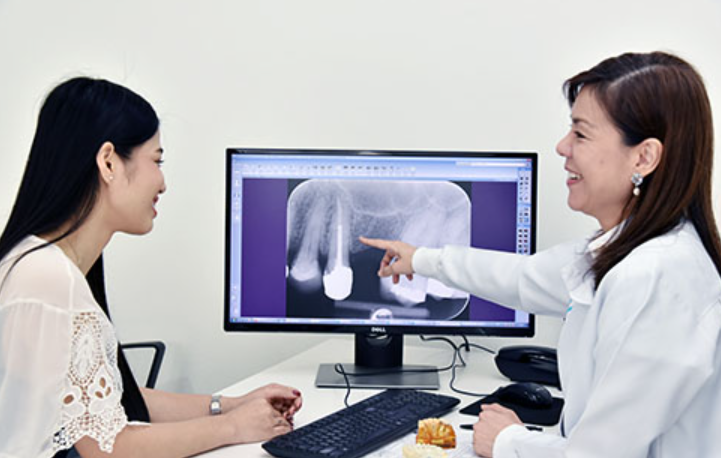
Dental care has advanced, and digital radiographs are now part of this change. These newer X-rays are safer and smarter. They use less radiation and provide clearer images. This means fewer risks for you. Visiting a dentist in Garland? Expect them to use digital radiographs. This technology helps in detecting dental issues early. It also allows precise, quick treatments. Digital images can be stored, shared, and examined easily. This means better communication between your dentist and specialists. For you, this means faster decisions and peace of mind. These radiographs aid in monitoring your oral health over time. They help in creating a detailed dental history. You can trust that digital radiographs improve safety and accuracy. Remember, choosing a dentist who uses the latest technology supports your health. Your smile deserves the best care. Embrace modern prevention with digital radiographs. They protect your health today and future smiles.
Understanding Digital Radiographs
Digital radiographs take dental X-rays to a new level. Traditional film X-rays are now being replaced by digital versions. The benefits are significant. Digital radiographs help dentists spot cavities, bone loss, and other dental issues with more precision. They contribute to better diagnostic accuracy. You can expect less time in the chair because these images are instant.
Radiation Exposure: A Key Advantage
A major benefit is reduced radiation exposure. The Centers for Disease Control and Prevention (CDC) explains that digital radiographs can reduce radiation levels by up to 90% compared to traditional films. This is crucial for long-term health, especially for children and those who need frequent X-rays. Safety improvements make digital radiographs a smart choice.
Better Image Quality
High-quality images make diagnosis easier. Digital radiographs offer increased detail and clarity. Dentists have the ability to zoom in on problem areas, enhancing diagnostic accuracy. This means more effective treatment plans tailored to specific needs. Digital images can also be enhanced to highlight issues that might be missed on traditional film.
Efficiency and Convenience
Convenience is another benefit. Digital radiographs are stored on computers. This allows easy access and sharing. Sending images to specialists happens in minutes, not days. This saves time and ensures you receive prompt care. Tracking changes over time is straightforward, enabling proactive rather than reactive care.
Environmentally Friendly
Digital radiographs are kinder to the environment. They eliminate the need for film and chemicals used in traditional X-rays. This means less waste and fewer harmful chemicals. Dentists contribute to a healthier planet by choosing digital. You can feel good knowing your dental care is eco-friendly.
Cost-Effectiveness
Though the initial setup cost for digital radiography is high, it often leads to savings in the long run. Fewer materials are used, reducing recurring expenses. Clinics save on storage and shipping costs too. This can lead to more affordable care for patients.
Comparison: Traditional vs. Digital Radiographs
| Feature | Traditional Film X-rays | Digital Radiographs |
|---|---|---|
| Radiation Level | Higher | Lower |
| Image Quality | Standard | Enhanced |
| Time Efficiency | Time-consuming | Instant |
| Storage | Physical | Digital |
| Environmental Impact | Negative | Positive |
Conclusion: The Smart Choice for Dental Health
Digital radiographs offer a clear path to improved dental health. They enhance safety and efficiency. You will benefit from quicker diagnostics and more accurate treatments. Dentists gain tools that improve care quality. This modern approach reduces risks and promotes a proactive stance on oral health.
Choosing a dentist who uses digital radiographs means you prioritize safety and innovation. Your health benefits from reduced radiation and faster service. A healthier smile is within reach. Experience peace of mind knowing you are receiving the best care. For more information on dental health technologies, visit the National Institute of Dental and Craniofacial Research.