Dental Implants Vs. Fixed Bridges: Choosing The Best Solution
Choosing between dental implants and fixed bridges can be tough. Your smile matters, and you deserve the best solution. You need to know the differences to make an informed decision. Both options have their benefits. Dental implants act like real teeth. They involve a surgical process but offer long-term results. Fixed bridges, on the other hand, do not require surgery and rely on neighboring teeth for support. They tend to be quicker to fit and are less invasive. Each option serves a purpose based on your needs. It’s important to consider factors like longevity, procedure time, and personal comfort. A Clearwater family dentist can help you understand which fits your lifestyle. With the right guidance, you can restore your smile and confidence. We will guide you through everything you need to know. Your journey to a healthy mouth and bright smile starts today. Ready to explore the options?
Understanding Dental Implants
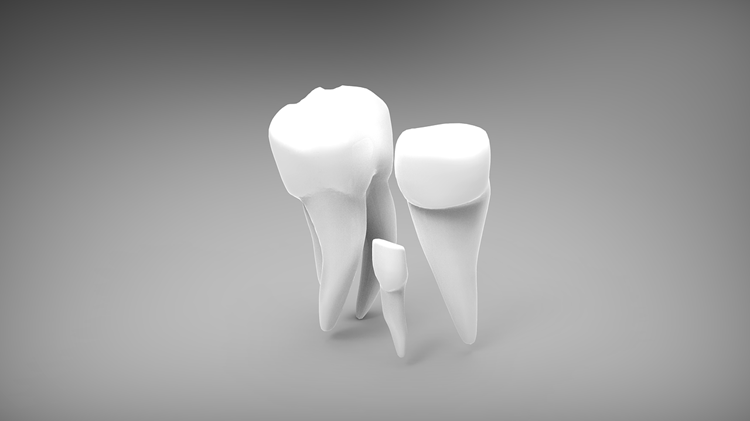
Dental implants replace your tooth root with metal posts topped with artificial teeth. They look and function like real teeth. The implant procedure involves several steps, including placing the implant and allowing time for healing. After healing, the dentist attaches an abutment, then a crown. Implants offer durability, often lasting a lifetime with proper care. The process may take several months, but the outcome is a stable, strong tooth replacement.
According to the National Institute of Dental and Craniofacial Research, dental implants preserve jawbone health by preventing bone loss. They don’t impact adjacent teeth, unlike bridges.
Exploring Fixed Bridges
Fixed bridges fill gaps by anchoring artificial teeth to adjacent natural teeth. They do not need surgery and are typically quicker to complete. Bridges usually last around 10 years but may require replacement or repair over time. They can help restore function and aesthetics quickly. The process involves preparing the neighboring teeth as abutments, taking impressions, and fitting the bridge securely.
Bridges are a good option if you need a non-surgical, faster solution. However, they may contribute to gum and bone loss over the years since they do not stimulate the jawbone like implants.
Comparison Table: Dental Implants vs. Fixed Bridges
| Feature | Dental Implants | Fixed Bridges |
|---|---|---|
| Procedure | Surgical | Non-surgical |
| Longevity | Potentially lifetime | About 10 years |
| Jawbone Preservation | Yes, prevents bone loss | No, potential bone loss |
| Impact on Adjacent Teeth | None | Requires modification of nearby teeth |
| Time to Completion | Several months | Few weeks |
Factors to Consider
When deciding, consider your individual needs. Think about the long-term implications. Implants are more invasive but offer lasting gains. Bridges offer a quicker fix but may need replacement. Evaluate your health, recovery time, and budget. Each option demands oral hygiene. Regular dental visits and good care extend the life of both solutions.
Getting Professional Guidance
Professional guidance is crucial. Consult a qualified dentist who will evaluate your health, bone structure, and dental needs. They will help you make the best choice for your situation. They may take X-rays and discuss your medical history to ensure the chosen option is safe and effective for you.
Conclusion
Your smile is invaluable. Making the right choice depends on understanding the options. Dental implants offer a permanent, natural-feeling solution. Fixed bridges provide a quicker, less invasive choice. Both have unique benefits and considerations. Discuss these with a dental professional to find the best fit for you. Remember, maintaining your oral health is key to enjoying the benefits of your choice, whether it’s an implant or a bridge.