Chiropractic Care: A Holistic Approach to Health and Wellness
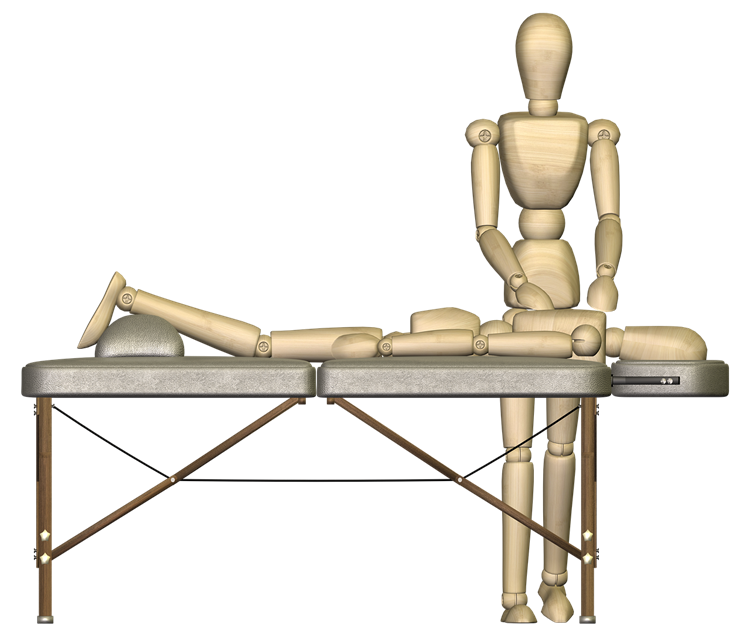
Chiropractic care is more than just a method for easing back pain—it’s a holistic, non-invasive approach to improving overall health, restoring mobility, and enhancing the body’s natural ability to heal itself. Grounded in the understanding that the nervous system plays a central role in overall wellness, chiropractic care focuses on the relationship between the spine, joints, and nervous system to promote optimal function.
Understanding Chiropractic Care
Chiropractic care is a healthcare discipline that primarily addresses disorders of the musculoskeletal system, particularly those affecting the spine. It emphasizes the body’s inherent ability to heal without surgery or medication. Chiropractors use manual adjustments and other therapeutic techniques to realign the spine and restore proper joint movement, aiming to alleviate pain, improve posture, and enhance nervous system function.
The underlying principle of chiropractic care is that misalignments—often referred to as subluxations—can interfere with the nervous system’s communication with the body. By correcting these misalignments, chiropractors help remove nerve interference, enabling the body to function more efficiently and heal naturally.
Full spine diversified Chiropractic
Full spine diversified chiropractic uses precise, manual adjustments to restore proper alignment throughout the entire spine. This widely practiced technique aims to improve joint mobility, reduce pain, and enhance nervous system function. By addressing multiple areas of the spine in a single session, it offers a comprehensive approach to promoting overall health and physical performance.
The Role of the Spine in Health
The spine is not only the body’s structural backbone; it also protects the spinal cord, which serves as the main communication highway between the brain and the rest of the body. Every movement, sensation, and function is coordinated through this intricate system.
When spinal joints become restricted due to poor posture, injury, or repetitive strain, it can cause discomfort and affect overall body performance. Chiropractic adjustments target these restricted areas, improving spinal alignment and ensuring the nervous system operates without interference.
Common Conditions Treated by Chiropractors
Chiropractic care can benefit a wide range of conditions, including:
-
Back Pain – One of the most common reasons people visit chiropractors, back pain often stems from poor posture, lifting injuries, or spinal misalignments.
-
Neck Pain – Poor ergonomics, prolonged screen time, or whiplash injuries can cause neck discomfort that chiropractic adjustments can relieve.
-
Headaches and Migraines – Tension headaches and migraines are often linked to spinal issues in the neck and upper back.
-
Sciatica – This nerve pain radiating from the lower back down the leg can be alleviated through targeted spinal adjustments.
-
Sports Injuries – Chiropractic care can help athletes recover faster and prevent recurring injuries by improving joint function and flexibility.
-
Joint Pain – Issues in shoulders, knees, wrists, and hips can also benefit from chiropractic mobilization techniques.
The Chiropractic Adjustment
A chiropractic adjustment—sometimes called spinal manipulation—is the core technique in chiropractic care. The chiropractor uses their hands or specialized instruments to apply controlled, sudden force to a specific joint. This gentle but precise movement helps improve the joint’s range of motion, reduce inflammation, and restore normal alignment.
While some patients may hear a “popping” sound during the adjustment, this is simply the release of gas bubbles from the joint—similar to cracking your knuckles—and is generally painless.
Benefits of Chiropractic Care
Chiropractic care offers numerous benefits that extend beyond pain relief:
-
Drug-Free Treatment – Chiropractic is a natural approach, avoiding the side effects associated with medication.
-
Improved Mobility – By restoring joint function, chiropractic care helps patients move more freely and with less discomfort.
-
Enhanced Nervous System Function – Correcting spinal misalignments improves communication between the brain and the body.
-
Better Posture – Regular adjustments can help correct poor posture caused by prolonged sitting or repetitive movements.
-
Boosted Immune System – A well-functioning nervous system helps the immune system work more effectively.
-
Stress Reduction – Releasing muscle tension and improving spinal health can have a calming effect on the body and mind.
Chiropractic and Preventive Health
One of the unique aspects of chiropractic care is its preventive focus. Patients don’t need to wait until they’re in pain to see a chiropractor. Many choose regular adjustments to maintain spinal health, prevent future injuries, and support long-term wellness.
By keeping the spine aligned and the nervous system functioning optimally, chiropractic care helps individuals maintain an active lifestyle, avoid chronic issues, and improve their quality of life.
What to Expect During a Chiropractic Visit
A typical chiropractic visit involves several steps:
-
Consultation – The chiropractor discusses your medical history, current symptoms, and health goals.
-
Physical Examination – This includes posture assessment, spinal analysis, and range-of-motion tests.
-
Diagnosis – Based on the findings, the chiropractor explains the cause of your symptoms and recommends a personalized treatment plan.
-
Adjustment – The chiropractor performs targeted spinal or joint adjustments.
-
Aftercare Advice – This may include stretches, exercises, or ergonomic recommendations to maintain progress.
Chiropractic Care for Different Age Groups
Chiropractic care is safe and beneficial for people of all ages:
-
Children – Gentle adjustments can help with posture development, colic, and sports injuries.
-
Adults – Regular care helps manage work-related stress, chronic pain, and lifestyle strain.
-
Seniors – Chiropractic can improve balance, mobility, and joint health, reducing the risk of falls.
Safety and Misconceptions
While chiropractic care is widely recognized as safe, some misconceptions still exist:
-
Myth: Chiropractic adjustments are painful.
Fact: Most patients find them relieving, not painful. -
Myth: It’s only for back pain.
Fact: Chiropractors address a variety of conditions related to the musculoskeletal and nervous systems. -
Myth: Once you start, you can’t stop.
Fact: Many people choose ongoing care because they feel better, not because they must.
The Future of Chiropractic Care
With growing interest in holistic and non-invasive healthcare options, chiropractic care is becoming an integral part of wellness routines worldwide. As research continues to validate its effectiveness, more people are recognizing chiropractic as a vital tool for enhancing quality of life, preventing chronic conditions, and supporting natural healing.
Advances in chiropractic technology—such as digital posture analysis, instrument-assisted adjustments, and integration with physiotherapy—are making treatments more precise and accessible.
Conclusion
Chiropractic care is not just about relieving pain—it’s about restoring balance, improving mobility, and enhancing the body’s natural ability to function at its best. Whether you are seeking relief from a specific condition, aiming to improve posture, or wanting to maintain long-term wellness, chiropractic offers a safe, effective, and holistic solution.
By focusing on the root cause of health issues rather than just the symptoms, chiropractic care empowers individuals to take an active role in their health and live a more vibrant, pain-free life.