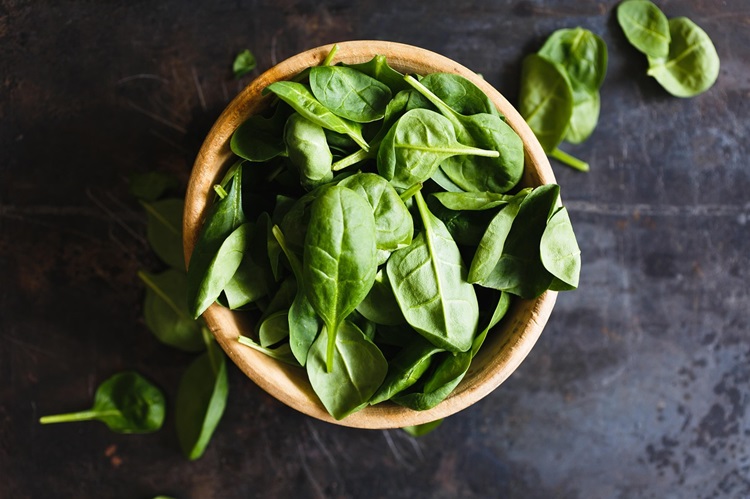
Koriandri : Tradition, Flavor, and Innovation

Food is a tapestry of flavors, aromas, and cultural narratives. Every ingredient tells a story, carrying with it traditions, regional identities, and culinary innovations that span centuries. Among the vast universe of herbs and spices, koriandri holds a special place. Known for its unique taste and versatility, it represents both history and modern food culture. From ancient kitchens to contemporary gastronomy, it has played an important role in shaping the flavors we experience today.
Read More : Repmold
In this article, we will embark on an extensive journey into the world of koriandri, exploring its history, cultural significance, nutritional value, applications in cuisines, and its future in food innovation. The aim is not only to analyze how this ingredient shapes our diets but also to highlight how it bridges tradition and technology in the ever-expanding culinary world.
The Origins of Koriandri
The use of herbs and spices is as old as civilization itself, and koriandri’s journey is one steeped in cultural and historical richness. Ancient civilizations cultivated it not only for culinary uses but also for medicinal and symbolic purposes. Traders and explorers carried it across continents, embedding it into food traditions from Asia to the Mediterranean and beyond.
The historical roots of koriandri reveal how early societies recognized its value. Ancient healers used it to aid digestion and preserve food, while cooks valued its ability to balance both sweet and savory dishes. Over centuries, it became an essential herb in kitchens, its aroma signaling comfort and familiarity across diverse cultures.
The Flavor Profile of Koriandri
The distinctive charm of koriandri lies in its complexity of flavor. Fresh leaves are often described as having a citrusy, slightly pungent taste, while the seeds provide a warmer, nutty, and slightly spicy flavor. This dual character makes it one of the most versatile herbs in the culinary world.
In many cuisines, it provides brightness and freshness to dishes, cutting through richness or enhancing subtle flavors. Its adaptability has made it a universal ingredient, equally at home in curries, salads, soups, sauces, and even baked goods. Chefs and home cooks alike appreciate how it can transform a dish, elevating the sensory experience.
Cultural Significance of Koriandri
Food is a carrier of culture, and koriandri embodies this truth vividly. In South Asian cuisine, it is a staple herb, often added as a garnish to curries and lentil dishes. In Latin American cooking, it is a foundational element in salsas, tacos, and marinades. In Mediterranean traditions, koriandri finds its place in stews, bread, and pickling.
Beyond its flavor, koriandri has symbolic importance. In some traditions, it is associated with purification, vitality, and protection. The use of herbs like this has often gone beyond the plate, extending into rituals, folk medicine, and community practices.
Nutritional Value and Health Benefits
Modern science has confirmed what ancient cultures intuitively understood: koriandri is more than just flavor—it is nutrition packed into leaves and seeds. It contains antioxidants, essential oils, vitamins, and minerals that contribute to overall health.
Some of its recognized benefits include:
-
Digestive Aid – Compounds in koriandri help reduce bloating and indigestion.
-
Anti-inflammatory Properties – Its natural oils may help calm inflammation in the body.
-
Rich in Antioxidants – These help protect cells from damage caused by free radicals.
-
Blood Sugar Regulation – Early studies suggest koriandri may support healthy blood sugar levels.
-
Heart Health – Nutrients like potassium and fiber support cardiovascular wellness.
As dietary habits evolve toward more health-conscious choices, koriandri’s dual role as a flavorful and nutritious herb continues to grow in importance.
Koriandri in Global Cuisines
One of the most remarkable aspects of koriandri is how seamlessly it integrates into cuisines worldwide.
Indian Cuisine:
Used in spice blends, chutneys, and curries, it forms the backbone of many traditional dishes.
Mexican Cuisine:
Essential in salsa, guacamole, and tacos, it provides freshness and zest.
Middle Eastern Cuisine:
Added to stews, rice, and breads, it brings warmth and balance.
European Cuisine:
Often used in sausages, soups, and breads, its seeds add depth and aroma.
Modern Fusion:
In contemporary fine dining, chefs use koriandri in unexpected ways, pairing it with desserts, cocktails, and innovative sauces.
The global journey of koriandri showcases how food travels across borders, adapting and enriching cultures wherever it lands.
Koriandri in Modern Food Technology
With the rapid growth of food technology, traditional ingredients like koriandri are finding new life in modern contexts. Food scientists and technologists are experimenting with its essential oils, extracts, and powdered forms to create long-lasting flavors and health-oriented food products.
In the realm of functional foods, koriandri is being studied for its potential role in supplements, nutraceuticals, and even therapeutic beverages. Meanwhile, the development of food preservation methods and flavor encapsulation ensures that its aroma and benefits remain intact even in packaged goods.
This fusion of tradition and technology highlights the relevance of koriandri in shaping the future of what we eat.
Sustainability and Koriandri Cultivation
In today’s world, sustainability in agriculture is crucial. Herbs like koriandri are relatively easy to cultivate, requiring less water and resources compared to many industrial crops. This makes it an eco-friendly ingredient when managed with sustainable farming practices.
Also Read : Quotela Net
Urban farming and hydroponics are also bringing koriandri closer to consumers, allowing fresh herbs to be grown in small-scale, controlled environments. As food systems adapt to climate change and urbanization, koriandri stands out as an adaptable and sustainable option for future kitchens.
The Future of Koriandri in Food Innovation
Looking ahead, the role of koriandri in food innovation appears promising. Its distinct flavor, cultural importance, and nutritional value make it a candidate for creative applications in both traditional and futuristic food systems.
Possible future directions include:
Plant-Based Diets:
Enhancing the flavor profile of vegetarian and vegan meals.
Food Pairing Science:
Pairing koriandri with unexpected ingredients in molecular gastronomy.
Globalization of Cuisine:
Making it a universal symbol of culinary diversity.
Health and Wellness Industry:
Expanding its role in supplements and functional foods.
In essence, koriandri will continue to inspire chefs, researchers, and food lovers alike.
Conclusion
Food connects the world, and few ingredients illustrate this truth as clearly as koriandri. Its journey from ancient traditions to modern technology highlights the dynamic role of food in human life. Whether enjoyed as a fresh garnish on a comforting meal or as an essential oil in a health product, it stands as a bridge between taste, culture, and wellness.