The Role Of Medical Clinics In Managing Hypertension
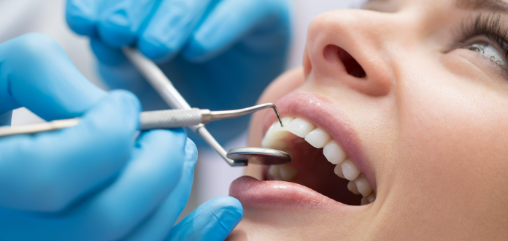
Hypertension, or high blood pressure, is a common health issue. Managing it involves more than taking medication. Medical clinics play a crucial role. They offer regular check-ups, lifestyle guidance, and advanced diagnostics. For instance, clinics equipped with tools like ultrasound Buckhead can help detect underlying issues. This comprehensive care supports long-term health and reduces complications.
Routine Check-Ups
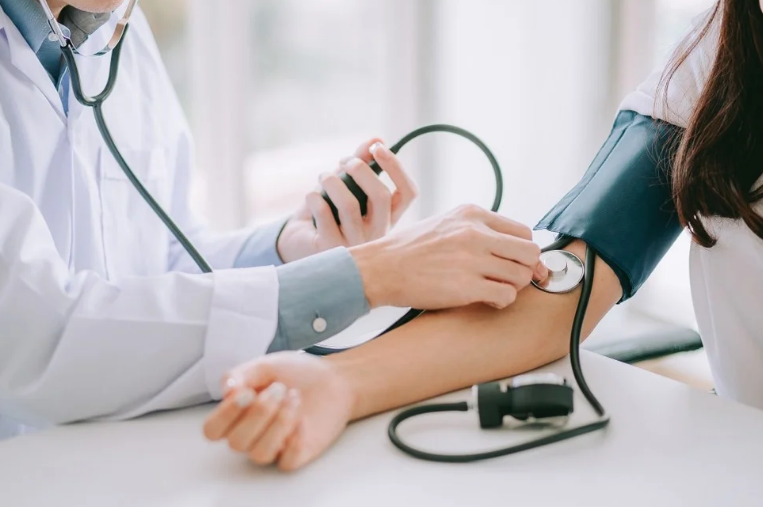
Regular visits to medical clinics help monitor blood pressure levels. Consistent tracking is vital. It can detect any fluctuations or trends. This early detection allows for timely intervention. Clinics provide a structured environment. This ensures that pressure readings are accurate and reliable, unlike home devices which might vary.
Lifestyle Guidance
Clinics often offer personalized lifestyle advice. This guidance focuses on diet, exercise, and stress management. Small changes can make a big difference. For example, reducing salt intake can significantly lower blood pressure. Exercise, even in moderate amounts, helps as well. Medical professionals can guide on forms of exercise that best suit individual needs.
Advanced Diagnostics
Beyond routine checks, clinics provide advanced diagnostic services. This may include blood tests, cholesterol checks, and other vital assessments. These tests help identify other risk factors. For example, blood tests can reveal issues with kidney function or blood sugar levels, both of which can contribute to hypertension.
Support and Resources
Medical clinics also provide support systems. They offer resources such as educational materials and community programs. These resources empower individuals to manage their condition effectively. Knowing more about hypertension enables better decision-making about health and lifestyle.
Table: Benefits of Medical Clinics in Hypertension Management
| Aspect | Clinic Support | At-Home Management |
| Monitoring | Accurate and consistent | Varies in accuracy |
| Lifestyle Advice | Personalized and guided | General and self-directed |
| Advanced Diagnostics | Comprehensive testing available | Limited to basic home tests |
| Resources | Access to materials and programs | Limited to online resources |
The Importance of Professional Care
Professional care provides a safety net. It reduces the risk of complications like heart attacks or strokes. Clinics can work with other healthcare providers. This ensures that treatment is coordinated and effective. Partnering with professionals gives a broader perspective on health.
Staying Informed
Staying informed is key to managing hypertension. Clinics offer access to the latest information and guidelines. This ensures that treatment plans are up-to-date. For instance, new studies may change dietary recommendations. Being informed allows for better management of the condition.
Coordination With Other Services
Medical clinics often coordinate with other services. This includes specialists and other healthcare providers. Coordination ensures a comprehensive approach to health. It helps in addressing other conditions that may affect blood pressure.
For more information on managing high blood pressure, visit the Centers for Disease Control and Prevention website or the National Heart, Lung, and Blood Institute. These resources provide valuable insights into hypertension care and management.
In conclusion, medical clinics are indispensable in managing hypertension. They offer an integrated approach to health. From monitoring to providing resources, their role is multifaceted. Embracing their support can lead to better health outcomes and a lower risk of complications. Taking advantage of clinic services is a proactive step toward managing hypertension effectively.